A taxi and a black car service can look similar from a distance — both are a car with a driver, waiting to take you somewhere. The differences that matter are underneath: how each is regulated, how the price is set, what you can expect at the curb, and what happens if something about your trip is not routine. Here is a straightforward comparison for travelers deciding between the two at Dulles.
How Each Is Regulated and Licensed
Licensed taxis operating at Dulles carry municipal or airport taxi authority and are subject to the inspection and licensing rules of the jurisdiction they operate under. A black car service, by contrast, holds carrier authority as a for-hire livery operator and carries commercial insurance built for pre-arranged transportation rather than street-hail work — a legitimate operator will confirm this immediately if asked.
Both are legal, regulated ways to travel, and the regulation itself is not the deciding factor for most trips. What it does establish is a baseline: a licensed operator of either kind is accountable to a regulatory body, which is worth confirming before you get in any unmarked vehicle claiming to be either.
Pricing: Metered vs. Flat Rate
A taxi runs on a meter — fare accumulates by distance and time, so the total is not known until you arrive, and traffic on the Dulles Toll Road or I-66 directly inflates the fare. A black car service is quoted and confirmed in writing before you travel, as a flat rate covering the vehicle, chauffeur, tolls, and standard wait time.
For a short, direct trip, the metered fare and the flat rate often land in a similar range. Where they diverge is traffic and distance: a slow trip in a taxi costs more, while the same slow trip in a black car costs exactly what was quoted, since the flat rate does not respond to how long the drive actually takes.
Availability and Wait Times at IAD
Taxis are available at a dedicated stand outside arrivals with no reservation required, which makes them a reasonable fallback if you land without having booked anything. The trade-off is a queue during busy periods and no way to know your wait time in advance.
A black car service is committed at booking, with your chauffeur’s pickup tracked against your actual flight rather than the printed schedule. There is no queue to join, because the vehicle is already assigned to your specific trip before you land — the reliability comes from reserving ahead, not from being lucky with the taxi line that day.
Vehicle and Driver Standards
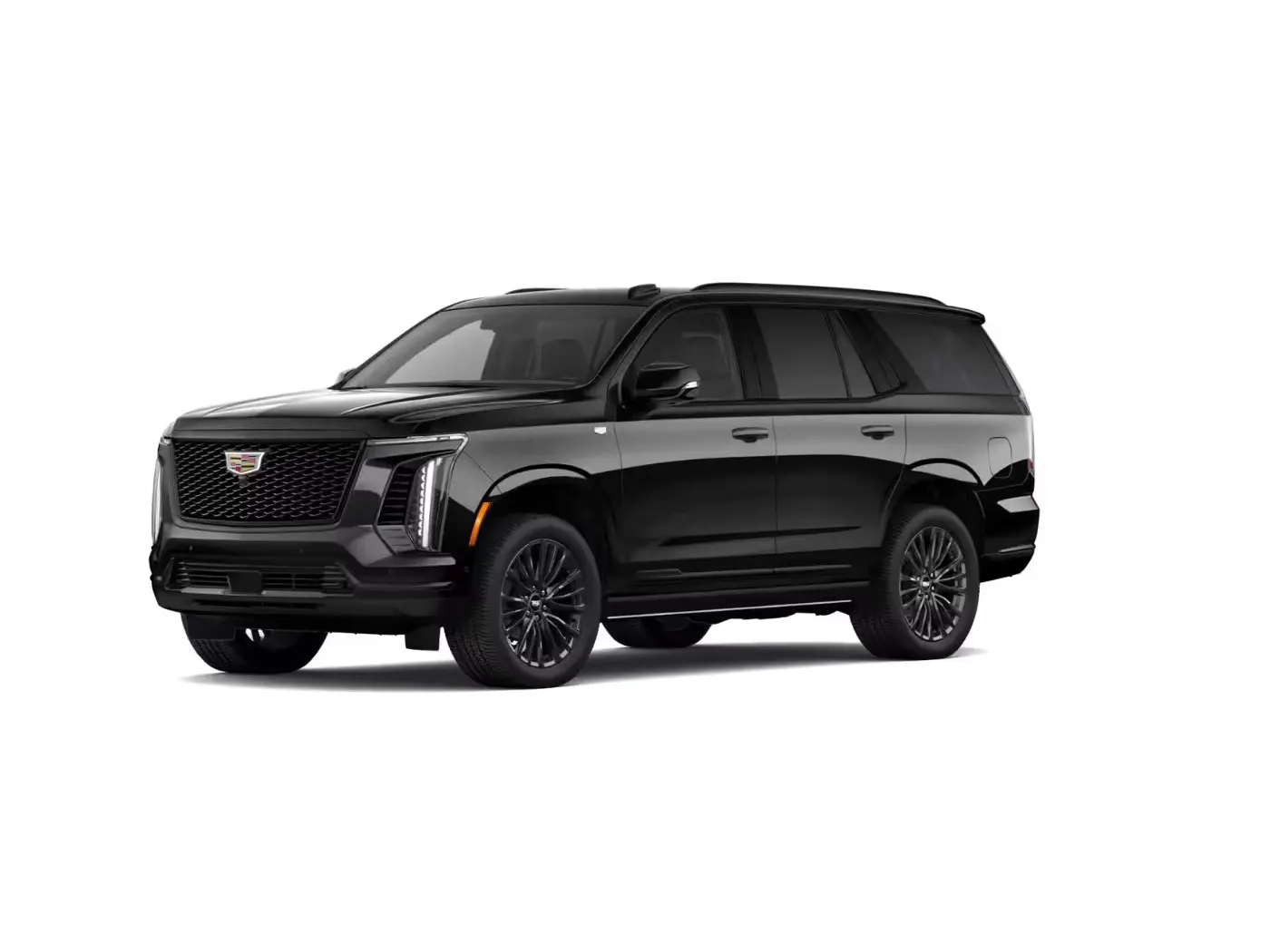
Taxi vehicle quality varies by what the individual driver operates, within whatever condition standards the local taxi authority enforces. A black car service specifies the vehicle class you are booking — a Mercedes-Benz sedan, a Cadillac Escalade, a Sprinter van — and generally runs a maintained, late-model fleet rather than a mix of whatever vehicles are on the road that day.
Drivers follow a similar pattern: taxi drivers are licensed to operate a taxi, while black car chauffeurs are typically background-checked and trained specifically on professional, pre-arranged transportation — dressed for business travel and familiar with the specific pickup procedures at IAD, including where meet and greet stages for international arrivals.
Payment, Receipts, and Expensing
A taxi fare is settled at the end of the ride, by card or cash, with a receipt reflecting the metered total — useful for expensing but showing a variable number that can raise questions if traffic inflated it. A black car service is billed against the flat rate confirmed at booking, with an itemized receipt matching the quote exactly, which clears expense review faster precisely because there is no variance to explain.
For business travelers submitting trips for reimbursement, or companies managing a corporate account, the predictability of a flat-rate receipt is often as valuable as the ride itself.
What Regular Travelers Eventually Settle On
Travelers who fly through Dulles often enough to have an informed opinion tend to converge on a similar pattern regardless of which option they started with: a taxi or rideshare for short notice, uncomplicated trips close to the airport, and a booked black car for anything with real stakes — an early flight, an international arrival, a client pickup, a group, or simply a trip where they would rather not think about it once it is arranged.
That pattern is not a compromise so much as an acknowledgment that the two options solve different problems well. Treating the choice as trip-by-trip, rather than picking one option permanently, tends to produce the best outcomes across a year of regular Dulles travel.
Accessibility and Special Needs
Traveling with a wheelchair, mobility device, or a medical need for extra room is worth confirming directly with either option before you travel. Taxi fleets vary in accessible-vehicle availability, and requesting one specifically ahead of time, where the local taxi authority allows it, improves the odds one is dispatched. A black car service can confirm a specific vehicle equipped for your needs at booking, along with a chauffeur briefed on any assistance required, rather than leaving it to chance at the curb.
For any traveler with a specific accessibility requirement, stating it clearly at booking — not as an aside once the vehicle arrives — gives either option the best chance of actually meeting the need.
A Quick Decision Framework
When the choice is not obvious, a short framework helps: if you landed without a plan and need something immediately, the taxi stand is the reasonable fallback. If the trip has any real stakes — a flight to catch, an international arrival, a client waiting, a group with luggage — book a black car service in advance and get the rate in writing. Most frequent Dulles travelers end up using both, matched to what each specific trip actually requires rather than defaulting to the same option every time.
Complaints, Disputes, and Recourse
If something goes wrong on a taxi trip — a disputed fare, a safety concern, a lost item — recourse generally runs through the local taxi regulatory authority, which can be a slower process depending on the jurisdiction and typically requires documenting the cab number or medallion at the time. A black car service, by contrast, ties every trip to a specific reservation, chauffeur, and vehicle on record with the company itself, so a dispute or a lost item is usually resolved through a direct call to dispatch rather than a regulatory filing.
Neither path is difficult exactly, but the black car model is generally faster to resolve simply because the company already has your full reservation details on file, rather than needing you to reconstruct which vehicle you rode in after the fact. Keeping your booking confirmation until after the trip is a simple habit that makes any follow-up, however unlikely, considerably easier — and it is the same document that shows the chauffeur, vehicle, and rate you were promised at booking.
The DC-Area Wrinkle: Multiple Jurisdictions
Washington, DC, Virginia, and Maryland each regulate taxis somewhat differently, and a taxi licensed in one jurisdiction is not automatically the same as one licensed in another — a detail most travelers never think about until a fare dispute or a service question comes up. Dulles sits in Virginia, and taxis queued at the airport operate under Virginia and airport-authority rules.
A licensed black car service operating as a Virginia and Maryland carrier is built specifically to cross those jurisdictional lines as a normal part of business — a pickup at Dulles and a drop-off in downtown DC or a Maryland suburb is a routine trip, priced and licensed for the whole route rather than raising a jurisdictional question partway through.
A Note on Airport Curb Procedures
Both options operate under airport curb rules that shape where and how pickup happens. Taxis queue in a designated stand with airport-authority oversight of the line, which keeps the process orderly but means you wait your turn regardless of how full the queue is when you arrive. A black car service’s curbside pickup or in-terminal meet and greet is coordinated directly with your specific reservation rather than a general queue, which is part of why the timing is more predictable trip to trip.
Which One Fits Your Trip
A taxi is a reasonable choice if you land without a reservation and need a direct, no-planning option, and your trip is short enough that meter variance will not matter much. A black car service is the stronger choice whenever the trip matters — an early departure, an international arrival, a client pickup, a group, or any trip where you would rather know the exact cost and pickup plan before you travel.
If your next trip through Dulles falls into that second category, get a written flat-rate quote before you fly — it takes two minutes and gives you a number to plan around instead of a meter to watch. Call (877) 609-1919 or book online.
Frequently Asked Questions
Is black car service more expensive than a taxi at Dulles?
Not necessarily — for a short, direct trip the two often land in a similar range. The real difference is that the black car rate is fixed and known in advance, while a taxi fare responds to traffic and distance.
Do I need a reservation for a black car service at IAD?
Yes — unlike a taxi, which is available at a curbside stand without booking, a black car is committed and flight-tracked in advance of your arrival.
What vehicle will a black car service send?
The specific class you book — sedan, SUV, or Sprinter — from a maintained, late-model fleet, driven by a background-checked professional chauffeur.
Is a taxi receipt as useful for expensing as a black car receipt?
A taxi receipt reflects a variable metered total. A black car receipt matches the flat rate confirmed at booking exactly, which typically clears expense review faster.