
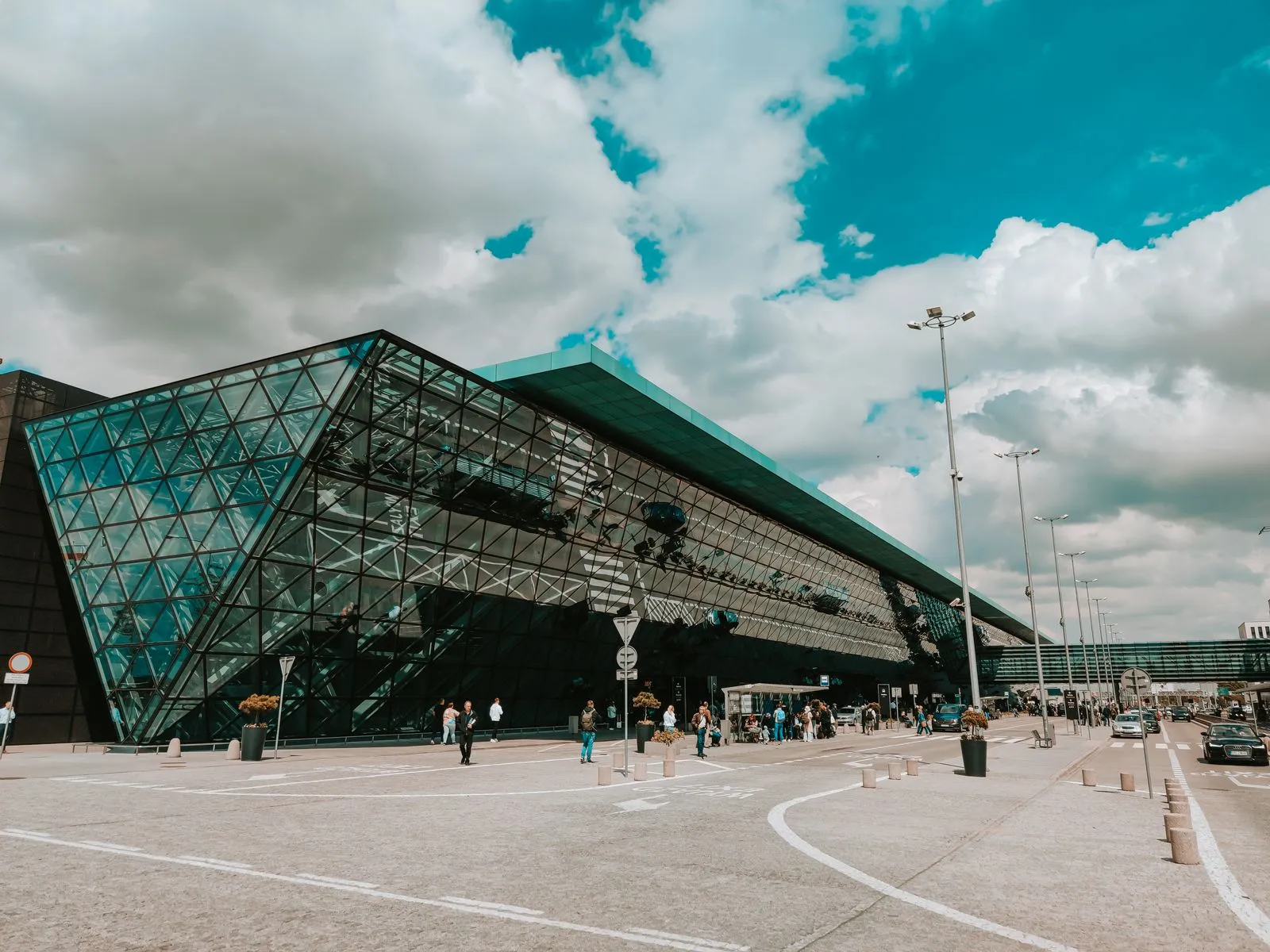
Food is one of the most common things travelers bring home from abroad, and one of the most common reasons for a delay at U.S. customs. Arriving at Washington Dulles International Airport after an international flight, every traveler passes through U.S. Customs and Border Protection, and CBP's rule on food is simple: declare it. All of it.
This guide explains what declaring means in practice, which kinds of food tend to draw closer inspection, why honesty is faster than guessing, and how the process affects the timing of your pickup. It is general guidance, not a list of rules for specific items; for that, the official sources are CBP and the U.S. Department of Agriculture's Animal and Plant Health Inspection Service (APHIS).
The Rule: Declare All Food, Plants and Animal Products
CBP requires travelers entering the United States to declare all agricultural items they are carrying, which includes food of every kind, plants, seeds, soil, and animal products. Declaring does not mean the item will be taken; it means you are telling CBP it is there, so an officer or agriculture specialist can decide whether it can enter.
The reason is protection of American agriculture. Fruits, vegetables, meats and plant material can carry pests and diseases that are not present in the United States and that could cause serious damage to crops and livestock. Whether a particular item is allowed often depends on the item, how it is processed or packaged, and the country it came from.
How Declaring Works at Dulles
Depending on how you are processed, you may answer CBP's questions at a kiosk, through a mobile app, on a paper declaration form, or directly to the officer at passport control. Whichever method applies, if you are asked whether you are carrying food, plants or animal products, answer yes if you have any - even a sandwich from the plane or a bag of snacks.
If you declare food, you may be directed to an agriculture inspection area, where bags are X-rayed or opened and items are examined. For most travelers with commonly allowed items, this is quick. Items that are not allowed are taken and disposed of, and you continue on your way.
Why Declaring Is Faster Than Guessing
Travelers sometimes skip declaring food because they assume it is fine, or because they hope to avoid the inspection line. That is a gamble that rarely pays off. CBP uses X-ray screening and detector dogs - the agency's Beagle Brigade is well known at international airports - to find undeclared agricultural items, and bags are randomly selected for inspection.
If you declare an item and it turns out not to be allowed, it is simply taken. USDA has said that travelers who declare agricultural products do not face penalties even if the items are not eligible to enter. If you fail to declare a prohibited item and it is found, you can face civil penalties in addition to losing the item, and the encounter will take far longer than an honest declaration would have. CBP's own guidance spells out that the safest approach is always to declare.
Categories That Draw Closer Inspection
Rather than a list of specific items - rules change and depend on the country of origin - here are the general categories that most often lead to a closer look:
- Meat and meat products, including many dried, cured and canned meats and foods containing meat, which are restricted from many countries because of animal disease concerns.
- Fresh fruits and vegetables, which can carry plant pests; whether they are allowed depends heavily on the specific item and origin.
- Seeds, plants, cuttings, bulbs and soil, which often need permits or are prohibited.
- Dairy and egg products, which are allowed or restricted depending on the product and country.
- Homemade or unlabeled foods, which inspectors cannot easily identify and may want to examine.
Commonly Easier Items
Many shelf-stable, commercially packaged foods - think baked goods, candy, chocolate, roasted coffee, tea, and many sealed condiments - are commonly allowed after declaration and inspection. Packaging in original, labeled containers helps inspectors identify what you have. The key word is still declared: being allowed does not mean you can skip the question.
Before you travel, use the official resources to check specific items. CBP's "Know Before You Go" guidance and the USDA APHIS travelers' pages explain current rules, and APHIS offers tools to check whether a particular food from a particular country can be brought in.
How Agriculture Inspection Affects Your Arrival Time
At Dulles, international arrivals already take longer than domestic ones. You deplane, take the AeroTrain or a mobile lounge to the international arrivals area depending on your gate, wait at passport control, collect your bags, and then pass through customs before exiting into the arrivals hall. Add an agriculture inspection, and your exit time can stretch further.
This is why our international pickups are planned from the flight's actual touchdown rather than its scheduled arrival, and why we include 60 minutes of complimentary waiting on international airport pickups. That window absorbs most immigration lines, slow bags and routine inspections. If your exit takes longer, extra waiting is billed in 15-minute increments and disclosed before you confirm, and our dispatch team - available 24/7 - stays in touch with the chauffeur.
Tips for Travelers Bringing Food Home
A few habits make the customs process smoother:
- Keep food together in one bag or one section of a bag, so it is easy to show an inspector.
- Keep items in original, labeled packaging when possible.
- Eat or discard fresh fruit and sandwiches from your flight before landing, or declare them.
- If you are bringing gifts of homemade food from relatives, ask what is in them so you can answer questions accurately.
- Check official guidance before buying anything you are unsure about, rather than after you land.
Meeting Your Chauffeur After Customs
Once you clear customs, you exit into the arrivals hall. If you booked our meet and greet add-on, your chauffeur will be waiting there with a name sign and can help with luggage, including any boxes or bags of food you are bringing home. Otherwise, call or text your chauffeur when you have your bags, and they will guide you to the pickup location.
We provide international arrivals pickups at Dulles with flight tracking on every booking and a flat rate confirmed before you book.
Related Pages
Frequently Asked Questions
Do I have to declare food at customs at Dulles?
Yes. CBP requires travelers to declare all food, plants and animal products. Declaring lets an officer or agriculture specialist decide whether each item can enter.
What happens if I declare food that isn't allowed?
It is taken and disposed of, and you continue on your way. USDA has said travelers who declare agricultural items are not penalized even if the items are not allowed.
What happens if I don't declare food?
If an undeclared prohibited item is found, it is taken and you can face civil penalties. Detector dogs and X-ray screening are used to find undeclared items, so declaring is always the safer choice.
Where can I check whether a specific food is allowed?
Use CBP's "Know Before You Go" guidance and the USDA APHIS travelers' pages, which explain current rules and how they depend on the item and country of origin.
Will a customs inspection make me miss my pickup?
Not with us. International pickups include 60 minutes of complimentary waiting counted from actual touchdown, and dispatch tracks your flight and stays in touch with the chauffeur.