
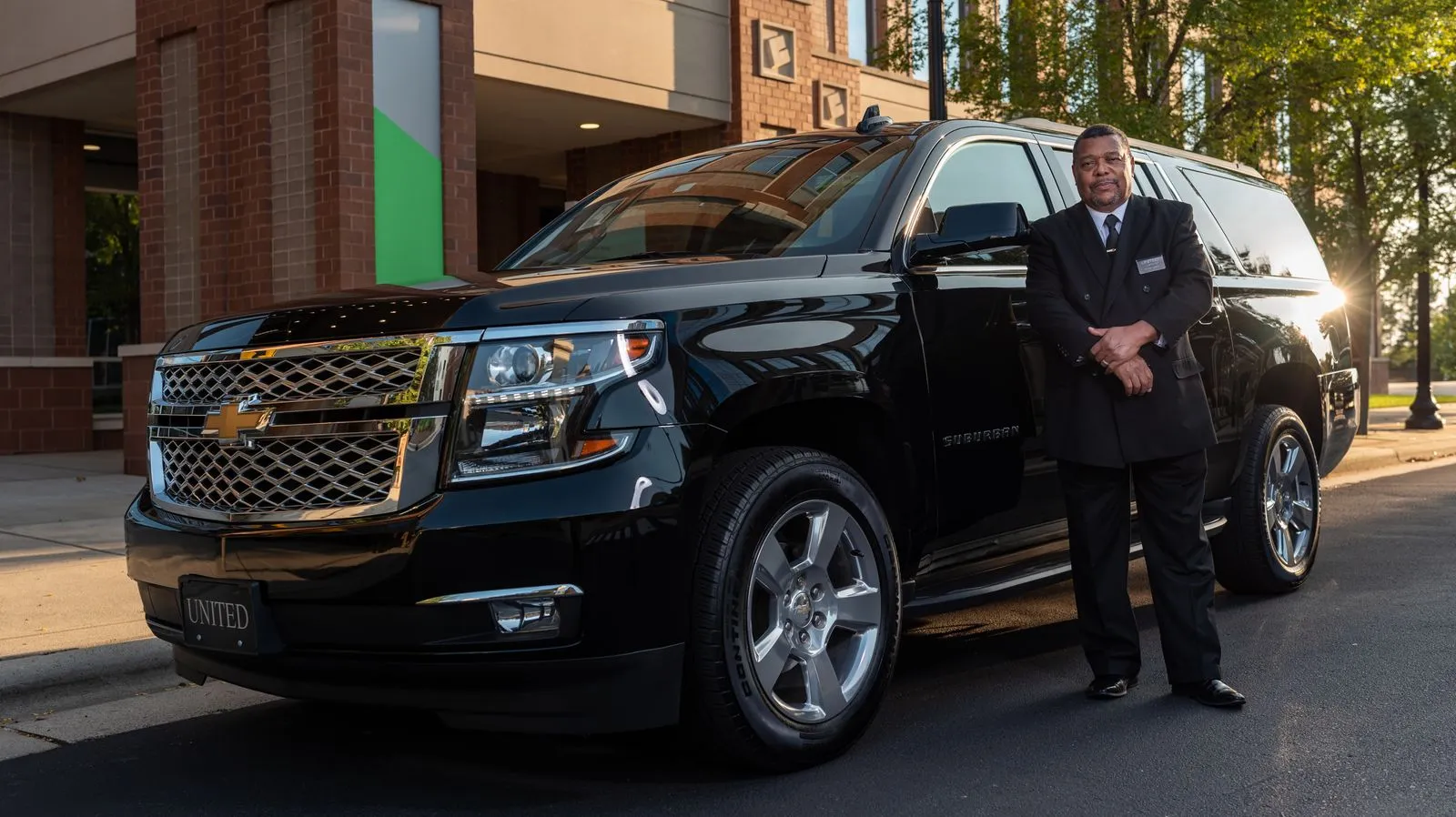
Ask ten travelers whether Uber or a car service is the better way to leave Dulles Airport and you will get ten versions of “Uber is cheaper.” Sometimes it is. But the comparison most people run in their heads uses Uber’s best-case fare against a car service’s standard rate — off-peak, no surge, instant pickup, driver accepts immediately. Dulles at 6 p.m. on a rainy Friday is not that best case. This guide runs the comparison the honest way: scenario by scenario, with the variables that actually decide what you pay and when you leave.
The Scenarios Where Uber Genuinely Wins
Credit where due: for a solo traveler with a carry-on, landing mid-afternoon on a dry Tuesday, headed somewhere close like Herndon or Reston, rideshare is usually the economical call. Demand is low, the walk to the garage pickup zone is annoying but tolerable without checked bags, and short-hop fares are modest. If your schedule is flexible and a 15-minute wait costs you nothing, the app earns its place.
The problem is that very few of the trips people actually book fall into that window. Airport travel clusters around peak banks, bad-weather days, holidays, and distances rideshare handles poorly — which is where the math flips.
Scenario One: The Rainy Friday Arrival
Surge pricing at Dulles is not a rare event — it is the predictable result of arrival banks landing together, and weather multiplies it. A fare into Washington that reads modestly on a quiet afternoon can double or worse when three widebodies deplane into a thunderstorm. You discover the number standing in the parking garage, luggage in hand, with no leverage and every alternative equally surged.
A booked car service quoted your flat rate when you reserved — days earlier, in writing. Rain does not change it. The arrival bank does not change it. On the days rideshare is at its most expensive, the flat rate is unchanged, and those are precisely the days you are most likely to be traveling.
Scenario Two: The Long Trip into Maryland
Distance is rideshare’s quiet failure mode at IAD. Drivers see a 45-mile run to Columbia or Annapolis, weigh the empty return trip, and decline or cancel — a pattern every frequent Dulles flyer has lived through. Each cancellation sends you to the back of the queue, and the fare that finally sticks carries long-trip pricing plus whatever surge has built in the meantime.
On long transfers, a chauffeur service is not a luxury alternative; it is often the only reliable option. The trip is committed at booking, the rate is flat regardless of what I-95 or the Beltway does, and nobody is doing return-trip math against your itinerary.
Scenario Three: The Family of Five with Checked Bags
Rideshare pricing is per vehicle, but capacity is the catch: five passengers with international luggage need an XL, and XL fares from Dulles routinely land within striking distance of a booked SUV — without the guarantee that the vehicle that shows up actually fits six suitcases. A chauffeured Suburban or Escalade is specified in advance, meets you at baggage claim, and installs the child seats you requested at booking.
Price the comparison honestly — XL surge fare plus the garage walk with children and a luggage cart, against a flat-rate SUV with meet and greet — and the gap narrows to nothing on many dates, then inverts on the bad ones.
The Verdict: Match the Tool to the Trip
Use rideshare for what it is good at: short, spontaneous, solo, flexible, fair-weather trips. Book a car service when the trip has stakes — early departures where a missed pickup means a missed flight, arrivals with family and luggage, long transfers, and business travel where predictability is worth more than the occasional off-peak savings.
If your next Dulles trip falls in the second category, we make the comparison easy to test: call (877) 609-1919 or book online, get a flat written quote, and measure it against what the app shows you on travel day. The quote will not have moved. The app almost certainly will.
Frequently Asked Questions
Is Uber cheaper than a car service from Dulles Airport?
Off-peak, for solo short trips, usually yes. During surge windows, for long transfers, or for groups needing an XL, flat-rate car service pricing is frequently equal or cheaper — and it never changes after booking.
How bad is surge pricing at IAD really?
During peak arrival banks, storms, and holidays, rideshare fares from Dulles can run double or more their off-peak level. Flat-rate car service quotes are confirmed in writing and are immune to surge.
Where do Uber and Lyft pick up at Dulles?
In designated zones at the parking structures — a walk from baggage claim with your luggage. A chauffeur with meet and greet waits inside the terminal at baggage claim with a name sign.
Why do rideshare drivers cancel long trips from IAD?
A long run usually means an empty return trip, so many drivers decline or cancel after seeing the destination. A booked chauffeur is committed to your specific trip at reservation.
How do I get a flat-rate quote to compare against Uber?
Call (877) 609-1919 or use our online booking page with your exact addresses and vehicle preference. The written quote you receive is the final price — compare it on travel day.