
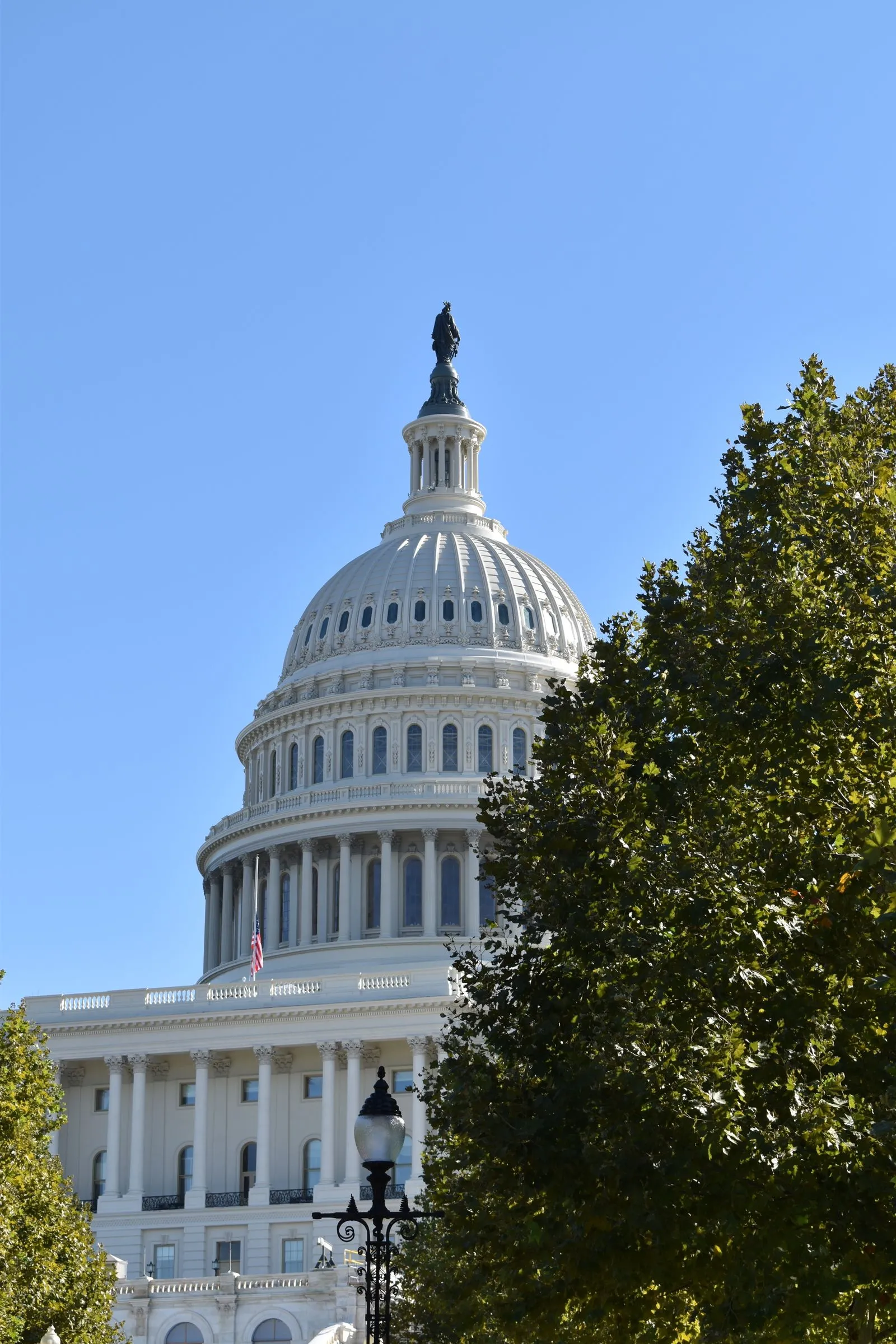
Georgetown predates the rest of Washington, DC, and it shows in how the neighborhood is laid out: narrow, sometimes cobblestoned streets never meant for modern traffic volumes, a commercial core packed into M Street and Wisconsin Avenue, and - unlike almost everywhere else in the city - no Metro station of its own. For visitors flying into Dulles and planning to add a Georgetown evening to a DC trip, that is worth knowing before you go.
Why Georgetown Does Not Play by DC's Usual Rules
Most of Washington DC was planned around wide avenues and a Metro system reaching nearly every major destination. Georgetown predates all of it - it was its own town before being absorbed into the city, and its street grid, scaled for 18th- and 19th-century traffic, never got the retrofit. The result is a neighborhood that is walkable once you are in it, but genuinely awkward to drive into or park in without local knowledge.
Visitors who have spent a day using the Metro everywhere else in DC are often the most caught off guard by this, simply because nothing else on their trip required planning a drive at all.
Getting There: The Roads and Bridges That Actually Matter
Coming from Virginia, Key Bridge is the direct connection into Georgetown from Rosslyn, feeding straight onto M Street. From elsewhere in DC or Maryland, M Street and Wisconsin Avenue are the two corridors nearly everyone ends up on, and their intersection is the de facto center of the neighborhood's traffic - and its congestion. Because there is no Metro stop in Georgetown, the nearest stations (Foggy Bottom-GWU on the Blue, Orange, and Silver lines) sit roughly a mile away.
Parking is Georgetown's Real Challenge
Georgetown's biggest practical problem is not the drive in - it is what happens once you arrive. Street parking is limited and heavily metered, and the neighborhood's public garages fill early on weekend evenings, during the holiday shopping season, and whenever Georgetown University has a home game or major campus event. Circling for a spot near M Street on a Saturday night is a genuinely common experience, and not a pleasant one.
Why the Streets Themselves Slow Things Down
Beyond the lack of a Metro stop, Georgetown's colonial-era layout works against modern traffic in smaller ways that add up: narrow lanes that were sized for horse-drawn carts rather than SUVs, limited loading zones for the restaurants and shops along M Street, and a mix of one-way segments that are not always obvious on a first visit. None of it is unmanageable, but it is exactly the kind of local detail that turns a quick-looking drive on a map into a slower one in practice.
The Waterfront, the Canal, and Georgetown University
Once you are on foot, Georgetown is compact and genuinely pleasant to explore. The Georgetown Waterfront Park runs along the Potomac, the historic C&O Canal towpath cuts through the neighborhood a block off M Street, and Georgetown University's campus sits at the western edge. All three are within an easy walk of M Street and Wisconsin Avenue, which is why a single drop-off point near that intersection covers most of what a typical visit needs.
Georgetown University Adds Its Own Rhythm
Georgetown University's campus at the western edge of the neighborhood adds a second layer of traffic on top of the retail and restaurant crowd - move-in weekend, parents' weekend, home games, and graduation all bring a surge of family visitors who are often unfamiliar with both the campus and the neighborhood around it. Any of those dates is worth planning a drop-off for rather than hoping to find campus-adjacent parking on the day itself.
Combining Georgetown With a Trip Through Dulles
Because Georgetown sits apart from both the Metro system and most of downtown's street grid, it works best treated as its own planned leg of a trip rather than something squeezed in on foot from a hotel a mile away. A flight-tracked pickup at Dulles that goes directly to a Georgetown hotel or dinner reservation skips the need to find downtown parking first and then figure out Georgetown's parking separately on top of it.
Why a Chauffeured Drop-off Solves Georgetown's Real Problem
The parking search and the mile-plus walk from the nearest Metro are Georgetown's two actual obstacles, and a chauffeured drop-off removes both at once: your driver takes Key Bridge or M Street in, drops you right at the restaurant, shop, or campus entrance, and there is no garage to find and no walk from Foggy Bottom in dress shoes or winter weather.
Timing a Visit Around Georgetown's Busiest Moments
Weekend evenings are Georgetown at its most congested, especially once dinner reservations and bar crowds overlap along M Street. The holiday shopping season adds a second peak, with both foot traffic and parking demand rising through December. None of this makes Georgetown a place to avoid - it just means a weekday afternoon visit and a Saturday night visit call for genuinely different planning, and knowing which one you are walking into shapes whether a chauffeured drop-off is a convenience or close to a necessity.
Booking Your Georgetown Trip
We serve Georgetown and all of Washington, DC, Maryland, and Northern Virginia, with direct transfers from Dulles International Airport. Call (877) 609-1919 or book online.
Frequently Asked Questions
Is there a Metro stop in Georgetown?
No. The nearest stations are Foggy Bottom-GWU on the Blue, Orange, and Silver lines, roughly a mile from the center of Georgetown.
What is the best way to avoid Georgetown's traffic and parking problems?
A chauffeured drop-off right at your destination avoids both the parking search and the walk from the nearest Metro station - your driver handles the Key Bridge or M Street/Wisconsin Avenue approach and drops you exactly where you are going.
Can you drop us right on M Street or at the waterfront?
Yes - tell us your specific destination when you book, whether that is a restaurant on M Street, a shop near Wisconsin Avenue, or the Georgetown Waterfront Park.
Can you combine a Georgetown visit with a Dulles arrival?
Yes - a flight-tracked pickup from IAD can go directly to a Georgetown hotel, dinner reservation, or campus visit without a downtown-parking detour first.
Is Georgetown walkable once you are actually there?
Very walkable - the waterfront, the C&O Canal towpath, and Georgetown University are all within an easy walk of the M Street and Wisconsin Avenue core.