
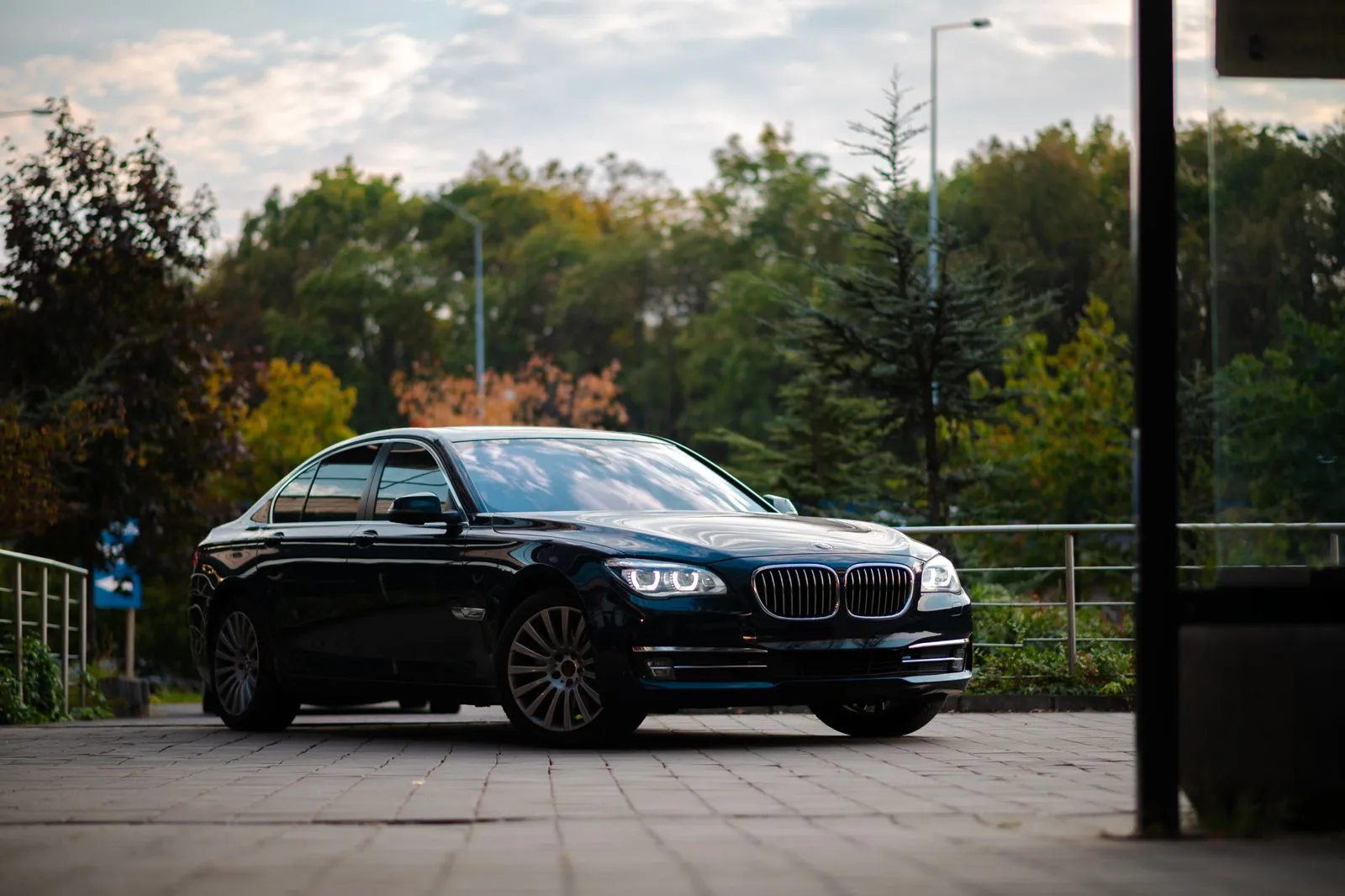
Loudoun County’s wineries have become some of the most sought-after wedding venues in Northern Virginia, and for good reason — rolling vineyard views, working farm buildings converted into elegant event spaces, and a countryside setting that no hotel ballroom can replicate. That same setting also comes with a genuinely different set of transportation logistics than a conventional venue: gravel or unpaved driveways, limited vehicle turnaround space, sunset photo sessions that run on nature’s schedule rather than the day’s printed timeline, and guest parking that is often a field rather than a structured lot. Planning transportation around a winery venue specifically — rather than treating it like any other wedding location — makes a real difference in how smoothly the day actually runs.
Gravel Drives and Limited Turnaround Space
Many Loudoun wineries sit at the end of a long gravel or unpaved driveway, sometimes narrow enough that a full-size vehicle needs to plan its approach and turnaround carefully rather than assuming the kind of open, paved circular drive a hotel or conventional event venue typically offers. A chauffeur who has visited a specific venue before, or who takes the time to confirm the driveway situation in advance, avoids the awkward experience of a large SUV or Sprinter van struggling to navigate a tight gravel turnaround with a wedding party already dressed and waiting.
This is worth discussing directly with your transportation provider well before the wedding day — specifically asking whether they have served your particular venue before, and if not, confirming the driveway width, surface, and any turnaround constraints so the right vehicle size is booked from the start rather than discovered as a problem on the day itself.
A stretch limo, in particular, needs considerably more turnaround room than an SUV or Sprinter van, which is one of several reasons many winery weddings are better served by a well-appointed SUV or a Sprinter limo than a traditional stretch vehicle.
Rain adds another layer to this same consideration, since a gravel driveway that handles dry weather without issue can develop soft spots or standing water after a heavy storm. A chauffeur who checks conditions ahead of a rainy wedding day plans the approach accordingly, rather than discovering a soft patch of driveway with a loaded vehicle already committed to it.
A working farm property also sometimes shares its driveway with active agricultural equipment or livestock areas that a chauffeur unfamiliar with the site would have no reason to anticipate. Confirming these specifics with the venue directly, rather than assuming a wedding venue functions identically to any other event space, avoids an awkward surprise on the day itself.
Some properties also restrict vehicle access to certain hours to protect the vines themselves during active growing or harvest periods, a detail that has nothing to do with the wedding schedule but everything to do with the working vineyard the venue also happens to be. Confirming this in advance avoids a conflict nobody anticipated.
A fall wedding at a working vineyard carries its own added consideration, since harvest activity can be actively underway on the property during the exact weeks couples most want to book for the season’s foliage. Asking the venue directly how harvest and events coexist avoids any surprise about equipment or activity on the grounds.
A spring wedding at the same kind of venue carries the opposite consideration, since new growth season sometimes brings its own equipment and irrigation activity that a couple would similarly want to know about well ahead of the actual wedding day.
Sunset Timing and Golden Hour Photos
A vineyard’s primary visual appeal is its light — the way a Loudoun County hillside looks during golden hour is a large part of why couples choose this kind of venue in the first place, and it means the photography schedule often bends around sunset rather than a fixed clock time. That has real implications for the transportation timeline, since a photo session that runs later than planned to catch the right light pushes every subsequent piece of the day’s schedule later along with it.
Building flexibility into the transportation plan — rather than a rigid, minute-by-minute schedule with no room for a golden-hour photo session running fifteen or twenty minutes past its original slot — keeps the day’s transportation from becoming the thing that forces a rushed photo session everyone will regret in the pictures.
This is a meaningful reason to book hourly, as-directed transportation for a winery wedding rather than a series of fixed point-to-point trips. A chauffeur on an hourly reservation simply waits through a longer-than-expected photo session, while a fixed trip booked around an exact time creates unnecessary pressure to cut a golden-hour session short.
Couples working with a wedding photographer who specializes in vineyard weddings should ask that photographer directly how much buffer they typically build in for golden hour, and share that estimate with the transportation provider so both vendors are planning around the same realistic expectation for the day.
Seasonal timing shifts this even further, since golden hour falls at a meaningfully different clock time in late spring than it does in early fall. A couple planning a vineyard wedding should confirm the specific expected sunset time for their exact wedding date rather than relying on a general seasonal assumption.
Guest Shuttling From Parking to the Venue
Winery venues frequently use a field or an overflow lot for guest parking rather than a structured lot adjacent to the ceremony space, particularly for a larger wedding where the primary lot fills quickly. A Sprinter van or shuttle running a continuous loop between the parking area and the ceremony site solves this cleanly, especially for guests who would otherwise face a longer walk across uneven ground — a real consideration for older guests or anyone in dress shoes not built for a gravel or grass walk.
This same shuttle can double as transportation for guests staying at a nearby hotel who did not drive to the venue at all, consolidating two logistical needs — parking overflow and hotel guest transportation — into a single, well-planned vehicle rotation rather than treating them as separate problems.
A running shuttle also gives guests who choose to drink throughout the reception a safe, easy way home at the end of the night, which is particularly valuable at a winery venue where the whole point of the evening often includes local wine that guests are actively encouraged to enjoy.
For guests unfamiliar with the specific winery, a clearly marked shuttle with a chauffeur who knows the property also removes any confusion about which vehicle to board and where it is actually headed — a small detail that matters more at an unfamiliar rural venue than it would at a more conventional hotel ballroom.
Coordinating With the Winery’s Own Event Team
Most established winery venues have run enough weddings to have specific preferences about vehicle staging, drop-off points, and timing that differ from venue to venue — one winery may prefer vehicles staged well away from the ceremony space during the vows, while another has a specific loading area for the wedding party that is not obvious without asking. Coordinating directly with the venue’s event coordinator, not just the couple’s wedding planner, ensures the transportation plan matches the venue’s actual operational preferences rather than a generic assumption.
This coordination is worth doing early — ideally as part of the same conversation covering your general wedding transportation timeline — so any venue-specific requirements are built into the plan from the start rather than discovered as a surprise during the final walkthrough.
Many Loudoun wineries also host multiple events on the same weekend during peak wedding season, which means vehicle staging and drop-off timing occasionally need to work around another couple’s event happening earlier or later the same day. Confirming this directly with the venue avoids any awkward overlap between two separate weddings sharing the same property.
It is also worth asking the venue whether they have a designated area for vendor parking separate from guest parking, since a chauffeur waiting through a long reception needs somewhere appropriate to park that does not interfere with the flow of arriving or departing guests.
Booking Winery Wedding Transportation
Tell dispatch your specific venue, expected guest count, and whether the day includes a golden-hour photo session that might affect timing, and the plan is built around your venue’s actual layout rather than a generic wedding template. An SUV or Sprinter limo typically handles winery driveways more comfortably than a traditional stretch limo, and a Sprinter van covers guest shuttling for a larger wedding.
Call (877) 609-1919 or book online, and let us help plan transportation around your specific Loudoun County venue well before the wedding day arrives.
If your venue is one we have not yet served, ask us to schedule a quick call with your venue coordinator ahead of the wedding, so any access details specific to that property are confirmed well before the day itself rather than figured out in real time.
A vineyard wedding is a genuinely beautiful choice, and the transportation plan should support that setting rather than fight against it. A little extra planning specific to the venue is a small price for a day that runs as smoothly as the setting itself looks.
Related Pages
Frequently Asked Questions
Can a stretch limo access a winery venue with a gravel driveway?
It depends on the specific driveway — a stretch limo needs considerably more turnaround room than an SUV or Sprinter van, so confirming your venue’s driveway width in advance helps determine the best vehicle.
How do you handle a photo session that runs past its scheduled time for sunset light?
We build flexibility into the transportation timeline for golden-hour photography, since vineyard weddings often bend the schedule around natural light rather than a fixed clock time.
Can you shuttle guests from an overflow parking field to the ceremony site?
Yes — a Sprinter van running a continuous shuttle loop between parking and the venue is a common and effective solution for winery venues with field parking.
Do you coordinate directly with the winery’s event team on transportation logistics?
Yes — we coordinate staging, drop-off points, and timing directly with a venue’s event coordinator when needed, since preferences vary meaningfully from one winery to another.
What vehicle is typically best for a Loudoun County winery wedding?
A well-appointed SUV or Sprinter limo generally handles gravel driveways and tighter turnarounds more comfortably than a traditional stretch limo, while a Sprinter van covers guest shuttling.